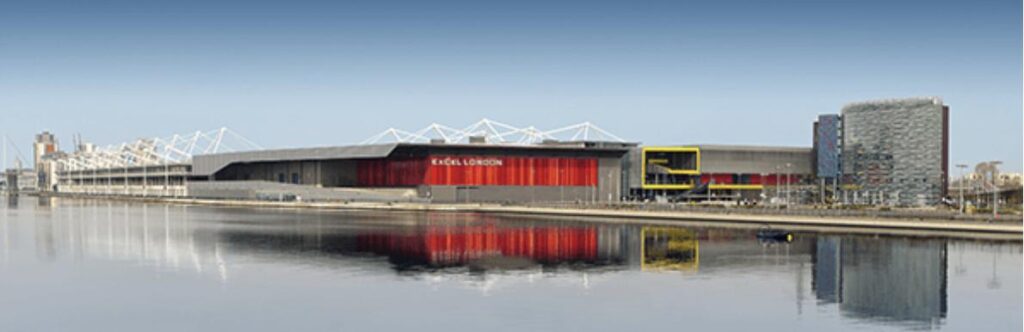
The 41st Annual EAU Congress (EAU26), was held in London from 13–16 March 2026, it focused on the integration of artificial intelligence (AI) in diagnostics, major updates to clinical guidelines, and results from practice-changing clinical trials.
Key Scientific & Clinical Trial Results
PRIMARY2 Trial (Prostate Cancer Diagnosis): Data showed that adding a PSMA PET/CT scan after an MRI for men with low-to-intermediate risk lesions (PI-RADS 2 or 3) reduced unnecessary biopsies by nearly 50% without compromising the detection of clinically significant cancer.
Stockholm3 Test (Screening Strategy): A Sweden-based trial found that using the Stockholm3 blood test before an MRI can reduce MRI referrals by 67% and biopsies by 40% in population-based screening programmes.
POISE-3 Trial (Perioperative Management): Results from this international study assessed the safety and efficacy of tranexamic acid in urologic surgery.
CISTO Study (Bladder Cancer): 12-month results comparing radical cystectomy (RC) vs. bladder-sparing therapy for recurrent high-grade NMIBC showed no significant difference in physical functioning or cancer-specific survival, though RC favoured emotional functioning and global health.
WASHOUT Study (Emergency Urology): Research revealed that 1 in 10 emergency patients with visible blood in their urine die within three months, but a scan within 48 hours can significantly reduce this risk and speed up cancer diagnosis.
EAU 2026 Guideline Updates
The 2026 EAU Guidelines were officially released during the congress. Highlights include:
BPH & Male LUTS:Aquablation therapy was upgraded to a “strong” recommendation as a surgical treatment option for benign prostatic hyperplasia (BPH) based on evidence from trials including WATER III. (Ritter M et al Euro Urol Focus 2026; 12: 266-74)
Neuro-Urology: Significant updates were made to diagnostic timing, pelvic neurophysiology tests, and recommendations for shared decision-making.
Prostate Cancer: Updates included new recommendations for MRI imaging in biopsy strategies and staging, as well as revised first-line treatment protocols for metastatic hormone-sensitive disease.
The new Clinical Decision Support (CDS) tool was launched turning guideline logic into a smart, interactive experience. Built on the Urological Infections Guidelines and designed to cope with real-life clinical complexity this rule based platforms helps delineated best practice in diagnosis, treatment, follow-up and prevention pathways. For other guidelines the Chatbot turns complex guidance into smooth conversational support.
Technological Innovations & AI
AI Integration: A major theme across plenary sessions was the “here to stay” status of AI in endourology, imaging, and prostate cancer screening.
Minimally Invasive Tools: Showcases included the Thulium Fiber Laser (TFL) for lithotripsy and the MP1000 surgical robotic system.
Tele-surgery: The first European tele-surgery program was highlighted, featuring procedures performed from Barcelona to Las Palmas.
Notable Guests and Events
Stephen Fry: The renowned British actor, broadcaster and prostate cancer survivor delivered a keynote session titled “Gods, genitals and the burden of being human”, offering a human perspective on urological care.
Prostate Cancer Run: Attendees participated in a 4km run or a 2km walk along the River Thames to support prostate cancer care awareness and raise funds for Europa Uomo